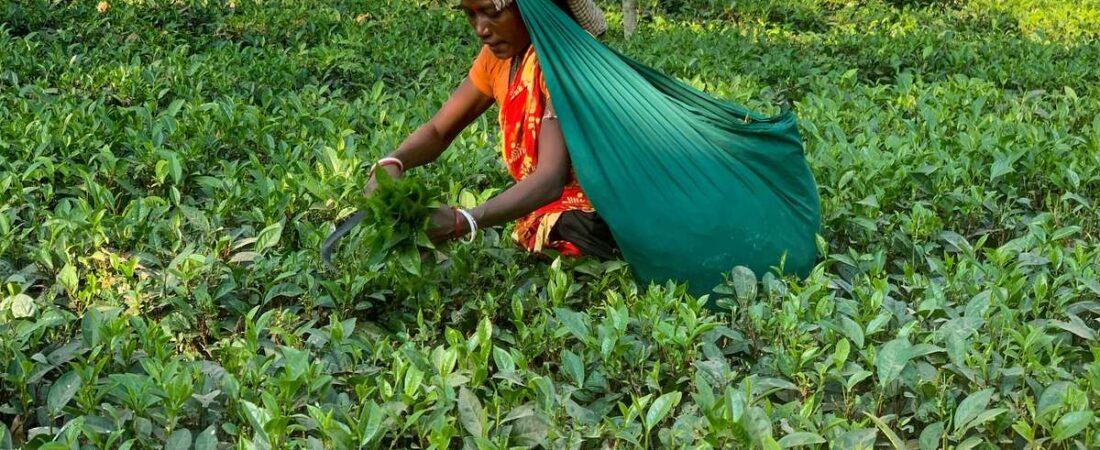
Gender equality remains a pressing concern within the tea garden communities of Assam, where thousands of workers—especially women—form the backbone of the tea industry. Despite their significant contribution, women tea garden workers continue to face systemic inequalities in wages, working conditions, decision-making power, and access to basic rights.
Women constitute a large portion of the workforce in tea plantations, actively involved in plucking, sorting, and processing tea leaves. However, their labor is often undervalued compared to men, with limited opportunities for leadership roles or skill advancement. Traditional gender norms further restrict their voices both within the workplace and in community decision-making spaces.
Health and well-being are also critical concerns. Many women workers experience poor access to healthcare, maternal services, and sanitation facilities. Coupled with long working hours and economic dependency, this creates a cycle of vulnerability and marginalization.
Promoting gender equality in these communities requires a multi-dimensional approach. Ensuring equal wages, improving access to education and healthcare, and creating awareness about rights are essential steps. Encouraging women’s participation in leadership roles, self- help groups, and community governance can empower them to advocate for their own needs.
Government policies, NGOs, and plantation management must work collaboratively to foster inclusive environments that respect and uplift women workers. Grassroots awareness programs and gender-sensitive interventions can gradually transform deeply rooted societal norms.
Achieving gender equality in Assam’s tea gardens is not just a matter of social justice—it is crucial for sustainable development. When women are empowered, families, communities, and the entire tea industry thrive.